







Search Results for: Kigoma Region
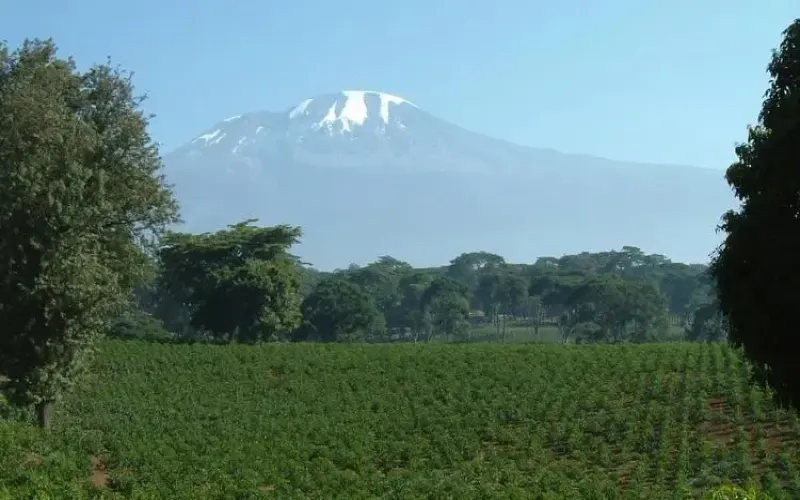
Exploring Tanzania's Coffee Regions: The Geography and History of East African Coffee Through Kigoma
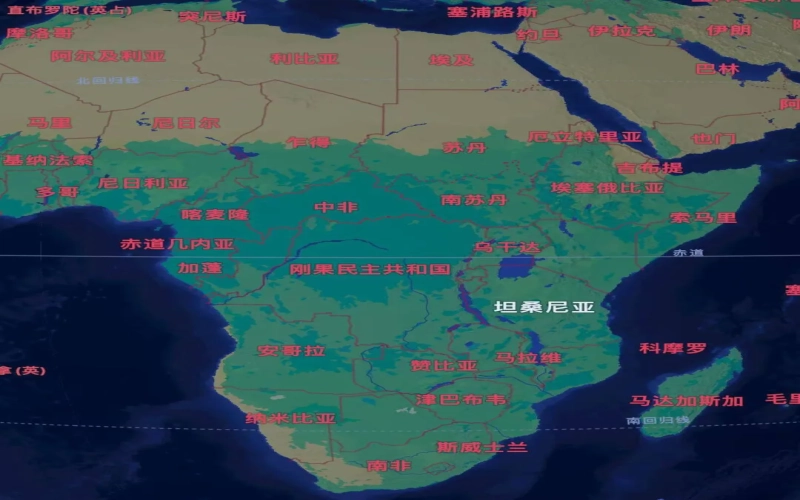
Africa, as the world's second-largest continent, is dominated by highlands and spans the equator, and its climatic conditions have given rise to numerous high-quality coffee-producing regions. Tanzania, with its unique geographical environment and historical heritage, has become an important coffee-producing country in East Africa and is known as the "coffee gentleman." From the introduction of coffee during the German colonial period, to industrial reforms after independence, and then to the shift of producing regions after the invasion of leaf rust, Tanzanian coffee has gone through a tortuous course of development. Today, nine producing regions, including Kilimanjaro, Arusha, and Kigoma, each have their own characteristics. Among them, Kigoma, as an emerging producing region, is gradually revealing its coffee potential by relying on the natural resources of Lake Tanganyika. This article will take you into a deeper understanding of the distribution and characteristics of Tanzania's coffee-producing regions, and focus on the terroir and prospects of the Kigoma producing region. [more…]
A Complete Analysis of Coffee Beans from Tanzania's Kilimanjaro Region: Terroir, Varieties, and Front Street Brewing Performance
Tanzania is one of Africa's big three coffee producers. Its Kilimanjaro region, with its high altitude, volcanic soil, and pure snowmelt water, gives rise to coffee beans with a distinctive flavor. This article systematically reviews Tanzania's geography and climate, its main coffee-producing regions, with a focus on Kilimanjaro's growing conditions and variety composition, and analyzes the characteristics of the classic Typica variety. Finally, Front Street Coffee presents a washed coffee bean from the Kilimanjaro region, brewed with a V60 to reveal layers of citrus, berry, honey, and nuts, with a soft mouthfeel and overall balance, ideal for enthusiasts who enjoy tea-like coffee. [more…]
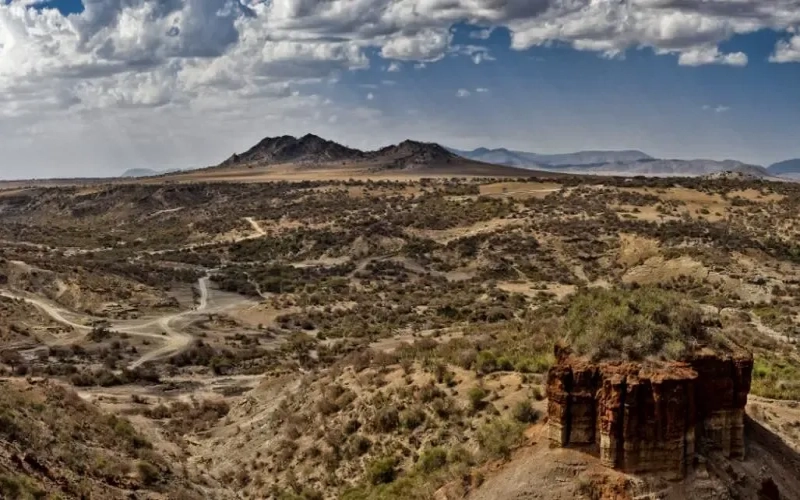
Exploring Tanzania's Mbinga Region: The Geographic and Human Advantages of an Emerging Southern Specialty Coffee Origin
The African continent is not only the birthplace of coffee, but also home to many outstanding coffee-producing countries. As an important origin in East Africa, Tanzania has earned its place in the specialty coffee world with its unique geographical environment and cooperative model. Beyond the well-known Kilimanjaro region, Mbeya in the south is gradually gaining attention. This article will guide you through an overview of Tanzanian coffee and take a deeper look at the geographical advantages, growing conditions, and unique features of the local cooperatives in the Mbeya region, while also sharing the Tanzanian coffee flavor experience recommended by Front Street Coffee. [more…]
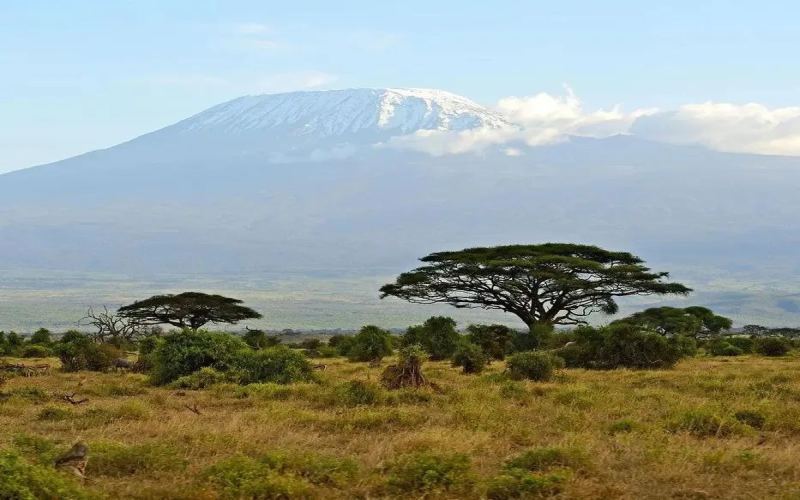
A Complete Guide to Tanzanian Kilimanjaro Coffee Beans: Regional Characteristics, Typica Variety, and Front Street Washed Bean Flavor
Tanzania is an important coffee-producing country in Africa and, alongside Ethiopia and Kenya, is known as one of Africa's three coffee giants; its coffee is even praised by Europeans as the "coffee gentleman." This article will take you through how Tanzania's geography and climate create coffee's rich, full-bodied texture, with a focus on the most famous Kilimanjaro region, and introduce the origins and history of the ancient Typica variety. Finally, we will also present the Tanzania Kilimanjaro washed beans launched by Front Street Coffee, covering everything from the producing region, altitude, and variety to brewing parameters and flavor description, making it ideal for coffee lovers who want to gain a deeper understanding of the unique charm of this African specialty bean. [more…]
Exploring Mbeya, Tanzania: How the Southwestern Highlands Became a Premium Coffee Region
Although Tanzania is not as famous as its neighbor Kenya, it also produces coffee of remarkable quality. From the introduction of coffee trees during the German colonial period to the southward shift of the industry's focus after independence, this East African country, with its high altitude, volcanic soil, and abundant water, has given rise to several distinctive producing regions. Among them, Mbeya in the southwest is gradually attracting attention. Not only does it have cool highlands suitable for coffee cultivation, but it is also home to the Aing'e Agricultural Marketing Cooperative, known for its democratic management. This article will guide you through the evolution of Tanzanian coffee and take a deeper look at the Mbeya producing region to see how it became an agricultural trade center in the country's southwest. [more…]
Exploring the East African Coffee Landscape: A Full Analysis of Tanzania's Kilimanjaro and Arusha Producing Regions
The African continent is dominated by plateaus, and the East African region in particular is home to the Ethiopian Highlands and the East African Plateau, with the Great Rift Valley running through it, dense clusters of volcanoes and lakes, and the Equator crossing it—together creating natural conditions extremely well suited to coffee cultivation. Coffee produced in this region accounts for about 14% of total global output, and Tanzania, thanks to its high-quality coffee, is known as the "coffee gentleman." Tanzania's terrain is high in the northwest and low in the southeast, with Mount Kilimanjaro standing in the northeast at 5,895 meters above sea level, the highest peak in Africa. Around this mountain, two core producing regions have formed: Kilimanjaro and Arusha. High altitude, volcanic soil, and pure snowmelt water together create the distinctive quality of the local coffee. Front Street Coffee also has a washed Typica from the Kilimanjaro producing region, and its flavor profile is worth noting. [more…]
Tanzania Coffee Growing Regions and Flavor Profiles: A Comprehensive Analysis from Kilimanjaro to the Southern Highlands
Although Tanzania is less famous than Ethiopia and Kenya, it ranks among Africa's three major coffee giants thanks to its unique terroir. This article systematically reviews the geographical distribution, historical context, and industry status of Tanzanian coffee, with a focus on the growing environment and coffee flavors of core producing regions such as Kilimanjaro. It also combines Front Street Coffee's Tanzanian Kilimanjaro coffee beans to analyze the soft acidity, citrus, berry, honey, and nut flavors, as well as the balanced tea-like mouthfeel brought by its Typica variety and washed processing, helping coffee lovers gain a comprehensive understanding of the coffee charm of this East African producing country. [more…]
Flavor Characteristics and Grading System of Tanzanian Coffee: From the Kilimanjaro Region to Balance in the Cup
Tanzania is located in East Africa and, with its high-altitude mountains, volcanic soil, and abundant water sources, is one of the important coffee-producing countries in East Africa, long known as the "coffee gentleman." This article will start from Tanzania's geographical and climatic conditions, sort through its nine major coffee-producing regions, review the development of the coffee industry from the colonial period to after independence, and focus on introducing the growing advantages of the producing areas around Mount Kilimanjaro. At the same time, the article will also explain Tanzania's coffee grading method based on bean size, and, in combination with Front Street Coffee's Kilimanjaro Typica washed beans, present its soft flavor interwoven with citrus, berries, honey, and nuts. [more…]
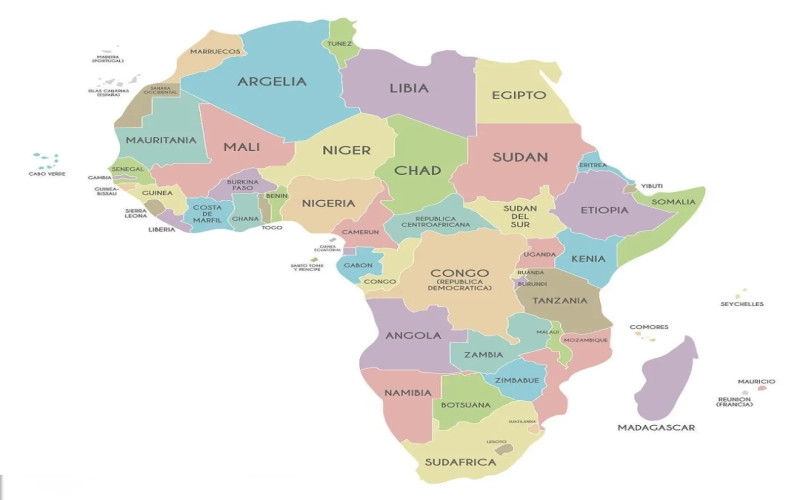
Tanzania Kilimanjaro Coffee Pour-Over Flavor Analysis and African Coffee Region Grading Standards
The African continent is dominated by plateaus and is known as the "Plateau Continent." Among its regions, East Africa, with its high altitudes, volcanic soil, and abundant water sources, has become an important producing area for specialty coffee. As one of East Africa's representative producing countries, Tanzania has long been known as the "Coffee Gentleman," and its Kilimanjaro region is especially famous. This article will introduce Tanzania's geographical and climatic conditions, coffee-growing history, distribution of major producing regions, and a grading system based on coffee bean size. At the same time, Front Street Coffee's Kilimanjaro beans will serve as an example to show the flavor performance of washed Typica in pour-over brewing—soft acidity, citrus and berry aromas, honey-nut sweetness, and a balanced tea-like mouthfeel. [more…]
Tanzania Kilimanjaro Specialty Coffee Beans: A Complete Analysis of Flavor, Aroma Characteristics, and Brewing Key Points
Front Street Tanzania Kilimanjaro coffee is known for its plump, evenly sized large beans. The beans have a grayish-green color, a bright acidity, and a sweet aroma, with an overall excellent flavor performance. After medium roasting, sweetness and a crisp acidity coexist, while dark roasting shifts it to a mellow bitterness, and it is also often used in blends. This article will focus on the flavor, mouthfeel, and aroma characteristics of this coffee, outlining suitable brewing methods and single-origin preparation ideas, and introducing the Tanzanian coffee industry, the Kilimanjaro production area, and its position in the national economy. It will also supplement background information on Tanzania regarding minerals, natural gas, helium, and administrative divisions, helping you understand this Front Street Kilimanjaro coffee more completely from origin to cup. [more…]
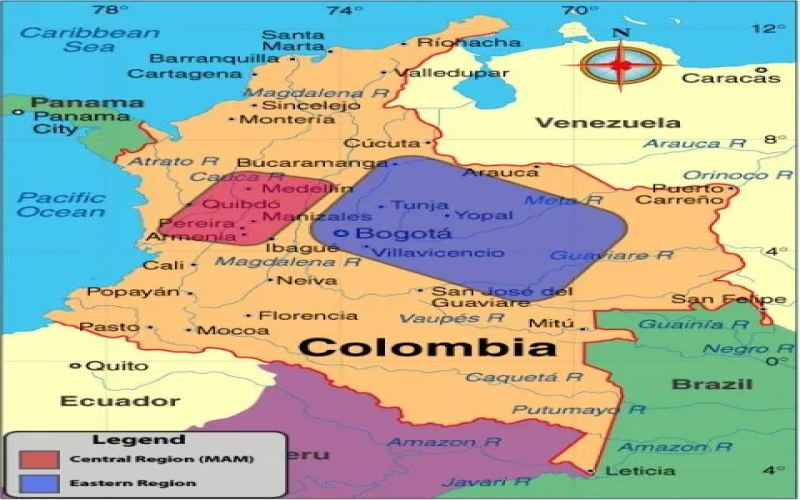
Central American Coffee Beans | Which regions in Colombia produce specialty coffee? What does the MAM designation mean? What are the flavor characteristics of washed beans from the Huila region?
Colombia is the world's second-largest producer of Arabica coffee beans after Brazil. Everyone is well acquainted with the chocolate-like flavor characteristic of Colombian coffee beans. Everyone also knows that coffee originated in Ethiopia—so if no one had brought coffee seeds or coffee saplings to Colombia, how could this [more…]
Flavor Analysis of Coffee Beans from Ethiopia's Uraga Region: What Makes the TOH Washed Category Champion Batch So Unique?
Front Street Coffee recently launched a highly anticipated coffee bean—the 2020 TOH Washed Group Champion, produced in Ethiopia's Uraga region. This bean impresses with its fresh flavors of citrus and green tea. Geographically, the Uraga region is close to Yirgacheffe and was often sold under the name Yirgacheffe in the past, until the ECX issued Announcement No. 1051 in 2017, after which it was able to be traded independently and gradually emerged. This article will introduce the region's background, the meaning of the TOH competition, the processing details of the champion lot, and the cupping flavors, as well as provide a horizontal comparison with the Yirgacheffe Gedeb Cooperative, giving you a comprehensive understanding of the unique charm of this champion coffee. [more…]
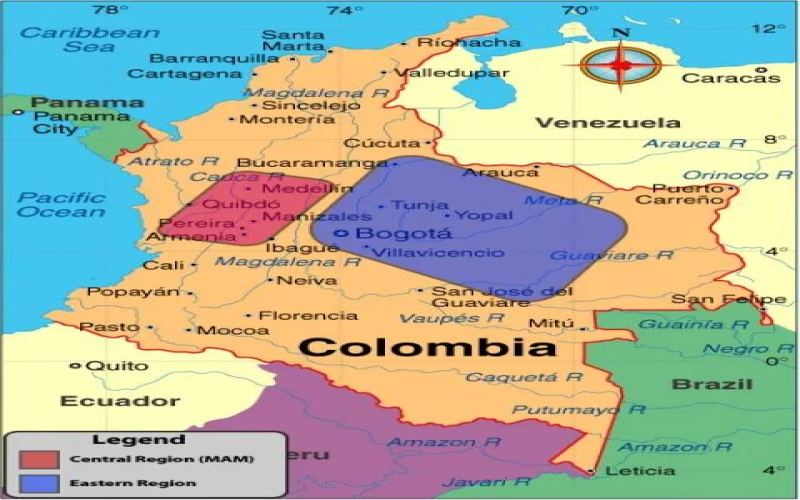
Colombia coffee | What does MAM refer to in Colombian coffee origins? What flavor and mouthfeel characteristics do Colombian specialty coffees have?
Colombia is the world's second-largest producer of Arabica coffee beans after Brazil. Everyone is familiar with the chocolatey flavor that characterizes Colombian coffee beans. We also all know that coffee originated in Ethiopia—so if no one had brought coffee seeds or coffee saplings to Colombia, how could this [more…]
Shakisso in Ethiopia's Guji region: A full analysis of coffee beans from origin conditions to flavor performance
Ethiopia's administrative hierarchy consists of four levels: Region, Zone, woreda, and kebele, and the naming of local green coffee beans often follows this system as well. The Guji-Shakisso focused on in this article is located southeast of Yirgacheffe and, in terms of administrative division, falls under Oromia Region → Guji Zone → Shakisso woreda, making it a regional-type coffee origin. Thanks to its outstanding geographical conditions and cup performance, Guji is an independent ECX production region, and Shakisso is one of its much-watched micro-regions. This article will sort out its altitude, soil, processing methods, and flavor characteristics, and review Shakisso's impressive achievements on the international specialty coffee stage. Front Street Coffee also continues to pay attention to high-quality lots from this production area, bringing coffee lovers choices worth tasting. [more…]

Why Does Kenyan AA Coffee Have a Tomato Flavor? A Comprehensive Analysis of Producing Regions, Grading, and Brewing Key Points
Kenya AA coffee is renowned for its bright fruit acidity and distinctive tomato-like flavor, making it one of the most recognizable presences in specialty coffee. This article systematically analyzes the origins of Kenyan coffee's flavor, from growing conditions and historical context to the top ten producing regions, the official grading system, and the K72 washed processing method. The baristas at Front Street Coffee combine cupping and pour-over practice with Kenyan Asaliya beans to share specific parameters and brewing techniques, helping enthusiasts understand this "most acidic coffee's" clean mouthfeel and its layers reminiscent of smoked plum and cherry tomato—ideal for readers who want to delve deeper into Kenyan coffee. [more…]
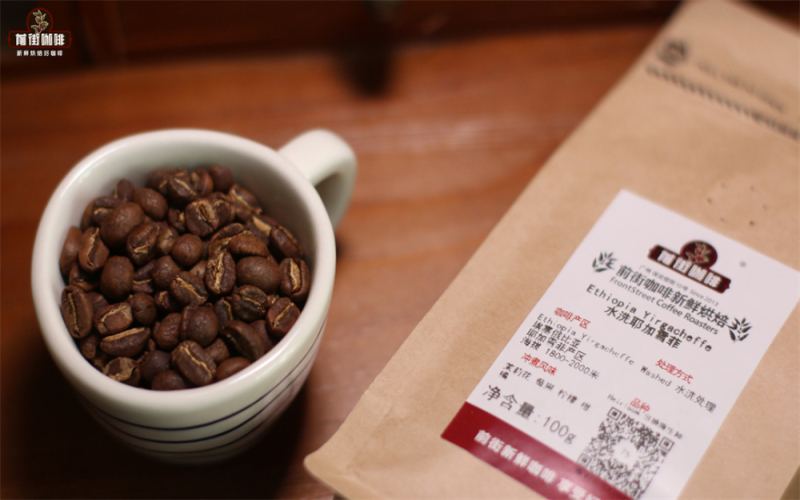
A Comprehensive Analysis of Ethiopian Sidama Washed Coffee and the Shakiso Region Classification System
Ethiopia's Sidamo region is renowned for its diverse flavors and exceptional terroir, standing alongside Yirgacheffe as a major specialty coffee stronghold. This article begins with an overview of the Sidamo region's characteristics, then examines the terroir conditions and signature coffees of sub-regions such as Guji, Hambela, and Shakiso one by one. It also explains in detail Ethiopia's G1 to G6 grading system, which is based on the proportion of defective beans, and compares how the two major processing methods—washed and natural—affect flavor profiles. At the same time, it presents Front Street Coffee's professional recommendations and tasting perspectives on this region, guiding you to a deeper understanding of the full picture of Sidamo coffee. [more…]

Kenya Thika Region Coffee: A Comprehensive Analysis of Growing Environment, History, Flavor Profile, and Grading System
Kenyan coffee is renowned for its clean and refreshing taste, substantial body, and bright fruit acidity, making it a classic region sought after by specialty coffee enthusiasts. This article starts from the Kiambu region where Thika is located, systematically outlining the growing conditions, historical context, distribution of the top ten producing regions, official grading system, and unique washed fermentation processes of Kenyan coffee. It also shares the brewing parameters for Front Street Coffee's Kenya Asalia, providing a comprehensive understanding of this East African coffee powerhouse from the colonial period to the specialty era. [more…]
Ethiopia Sidama Coffee Flavor Analysis: Huakui and Arsi Quality Characteristics, Processing Methods, and Grinding & Brewing Guide
Ethiopia's Sidamo region has gradually come into the view of specialty coffee lovers in recent years. With its diverse terroir conditions and heirloom variety resources, it has produced coffee beans with widely varying styles. From the perspective of Front Street Coffee, this article systematically reviews the history and geographical characteristics of the Sidamo region, and focuses on two sub-regions, Guji and West Arsi, as well as two representative beans in Front Street's shop—Huakui and Arsi. The article covers the production area background, bean profiles, processing methods, roasting curves, and brewing parameters, and also includes flavor descriptions from actual tastings. It is suitable for readers and enthusiasts who wish to gain a deeper understanding of Sidamo coffee. [more…]
Yirgacheffe's Emerging Micro-Region Gedeb: An Analysis of the Pour-Over Flavor and Processing Techniques of High-Altitude Coffee Beans
Yirgacheffe has long become synonymous with African specialty coffee, and within this designated appellation, a micro-region called Gedeb is quietly rising. It is located in the Gedeo Zone, with an average altitude of 1,900 to 2,200 meters, far higher than the traditional Yirgacheffe region, giving the coffee beans a hard, dense texture and unique flavor. Gedeb's smallholder farmers send carefully picked coffee cherries to the Kochere processing station, where they are sun-dried on raised beds for 15 to 20 days, creating an elegant flavor interwoven with floral notes and berries. This article will take you deeper into Gedeb's regional characteristics, processing techniques, and its taste performance under pour-over and American-style brewing. Front Street Coffee recommends that you pay attention to this emerging region with outstanding value for money. [more…]
A Complete Guide to Colombian Coffee Bean Grades and Regional Flavors: From MAM to Huila
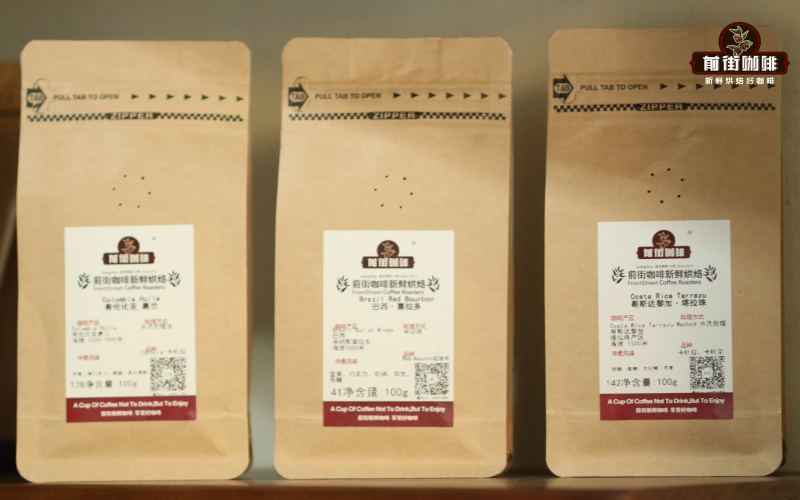
Colombia is the world's second-largest producer of Arabica coffee, and its coffee is deeply associated with chocolate notes. This article begins with the history of cultivation, tracing the commercialization process and the establishment of the export logistics system, then analyzes the three major commercial production regions behind the MAM mark commonly seen in supermarkets, as well as the terroir characteristics of southern specialty regions such as Antioquia, Boyacá, Cauca, Huila, Narino, Santander, and Tolima. The article focuses in particular on the Huila region, explaining its journey to becoming a certified region of origin, and shares Front Street Coffee's brewing recipe for Colombian Huila coffee beans, including dripper selection, water temperature, coffee-to-water ratio, and a three-stage pouring technique. [more…]